Short answer
About 100–200 lumens is often enough for a picnic table or small tent, while 300–500 lumens provides broader task lighting around a car campsite. More brightness is not always better: diffuser quality, low modes, runtime and glare control matter more after dark. Keep a separate headlamp for walking and close-up tasks.
For shoppers researching how many lumens camping lantern, this guide turns task brightness, glare, runtime, beam shape and campsite courtesy into concrete checks. Documentation gaps are treated as specific uncertainties in the how many lumens camping lantern decision rather than filled with assumptions.
Choose light by task and distance
Inside a tent, a low diffuse mode protects night vision and reduces glare. Cooking and group setup need more area light. Walking on uneven ground is better served by a headlamp aimed where you look rather than a lantern casting shadows from one point.
Runtime claims depend on mode
The longest advertised runtime is usually measured at a low setting, not maximum output. Compare runtime at the brightness you will actually use and bring a power or battery plan that does not depend on one optimistic figure.
Beam shape can beat raw output
An exposed LED can look bright while creating harsh hotspots. A diffuser, downward reflector or shade can put more useful light on the table. Dimmable controls and a warm low mode help a shared campsite feel less intrusive.
Keep safety separate from ambiance
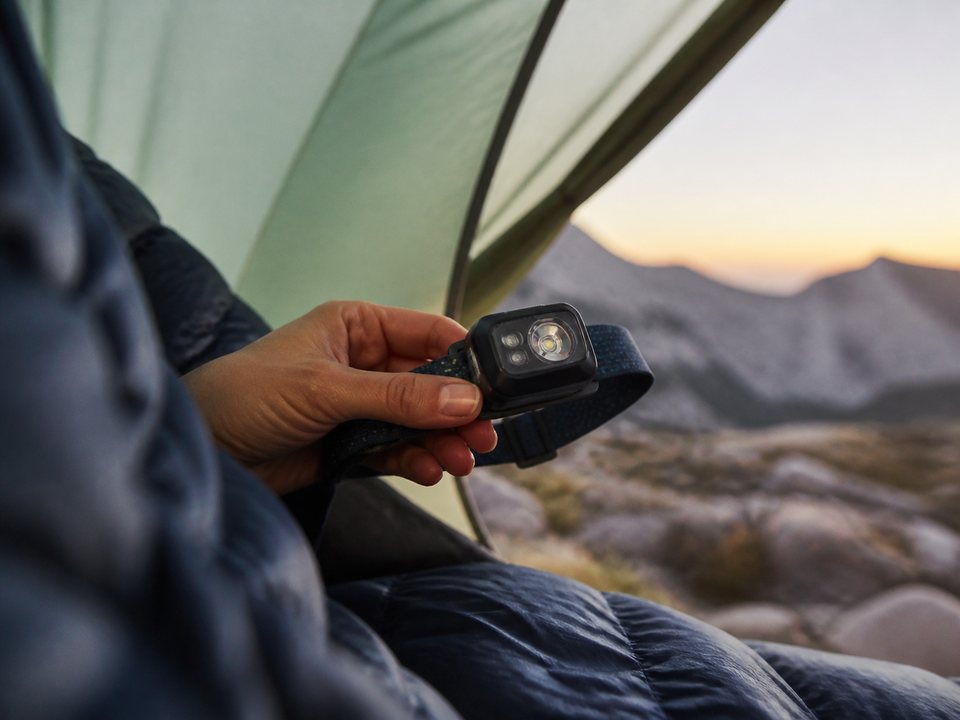
Carry a flashlight or headlamp when moving after dark, place lanterns where they cannot be knocked into fabric or cooking areas, and follow battery and charging instructions. Do not rely on a phone flashlight as the only independent light source.
Decision checklist
- Low mode for the tent
- Useful mid mode for the table
- Runtime at the chosen brightness
- Stable hanging and standing options
- Separate headlamp for movement
A mistake specific to this decision
When comparing how many lumens camping lantern, do not let a bestseller label replace the checks above. Record the requirement for task brightness, glare, runtime, beam shape and campsite courtesy; then verify that requirement against the exact current U.S. listing, bundle and seller.
Related 10 Elites research
Sources and further reading
Published August 25, 2026. Reviewed against the 10 Elites research methodology. No hands-on testing is claimed.