Short answer
Start with the use case, then compare abrasives, dust control, surface preparation. The strongest choice is not the model with the longest feature list; it is the one that completes the core job reliably, fits the space and has an ownership routine you can sustain.
This page is designed around the long-tail query “detail sander buying and use.” It helps narrow the decision without pretending that one option is best for every shopper.
Start by writing down the specific job, who will use the product, where it will live and how often it will be used. In tools & diy, the recurring checks are task, material, fit, safety equipment, battery platform and storage. That context prevents buying a powerful specialist tool before learning whether a simpler hand tool or drill solves the job.
How to evaluate abrasives
Match the material to contact, moisture, heat, abrasion and cleaning. Marketing labels such as premium or heavy-duty do not replace construction details, care instructions and compatibility with the surface being used.
Inspect the likely failure points: seams, hinges, coatings, connectors and high-friction edges. A repairable or replaceable wear part can matter more than a stronger-looking outer shell.
Write one sentence describing the minimum acceptable abrasives. If a listing does not document it clearly, treat that uncertainty as a tradeoff rather than filling the gap with an assumption.
How to evaluate dust control
Controls should make the desired routine easier to repeat. Compare the number of steps, feedback visibility, reset behavior and whether settings survive a power interruption. Precision is useful only when the reading changes a decision.
Test the decision path on paper: what will you set, what signal tells you it worked, and what happens when conditions change? Features that require constant app navigation often add friction to a simple task.
Write one sentence describing the minimum acceptable dust control. If a listing does not document it clearly, treat that uncertainty as a tradeoff rather than filling the gap with an assumption.
How to evaluate surface preparation
Match the material to contact, moisture, heat, abrasion and cleaning. Marketing labels such as premium or heavy-duty do not replace construction details, care instructions and compatibility with the surface being used.
Inspect the likely failure points: seams, hinges, coatings, connectors and high-friction edges. A repairable or replaceable wear part can matter more than a stronger-looking outer shell.
Write one sentence describing the minimum acceptable surface preparation. If a listing does not document it clearly, treat that uncertainty as a tradeoff rather than filling the gap with an assumption.
How to evaluate corners
Define what “good corners” means in the setting that matters. Compare the same evidence for every option: published specifications, instructions, support terms and repeated owner-feedback patterns. Avoid scoring a feature that will not change the routine.
Verify corners on the exact U.S. model and bundle. Similar product names can hide different generations, sizes or included parts. Record the requirement before shopping so a retailer badge does not become the decision.
Write one sentence describing the minimum acceptable corners. If a listing does not document it clearly, treat that uncertainty as a tradeoff rather than filling the gap with an assumption.
Apply the criteria to this exact search
For “detail sander buying and use,” turn abrasives into a concrete check before opening retailer tabs. Picture the most common real session for renters and homeowners choosing tools for specific repairs rather than oversized bundles: record what must happen, the space or time available, and the result that would make the feature useful. Then compare documentation for that exact requirement. This keeps abrasives tied to the job instead of letting a larger number or feature badge stand in for suitability.
For “detail sander buying and use,” turn dust control into a concrete check before opening retailer tabs. Picture the most demanding real session for renters and homeowners choosing tools for specific repairs rather than oversized bundles: record what must happen, the space or time available, and the result that would make the feature useful. Then compare documentation for that exact requirement. This keeps dust control tied to the job instead of letting a larger number or feature badge stand in for suitability.
For “detail sander buying and use,” turn surface preparation into a concrete check before opening retailer tabs. Picture the most common real session for renters and homeowners choosing tools for specific repairs rather than oversized bundles: record what must happen, the space or time available, and the result that would make the feature useful. Then compare documentation for that exact requirement. This keeps surface preparation tied to the job instead of letting a larger number or feature badge stand in for suitability.
For “detail sander buying and use,” turn corners into a concrete check before opening retailer tabs. Picture the most demanding real session for renters and homeowners choosing tools for specific repairs rather than oversized bundles: record what must happen, the space or time available, and the result that would make the feature useful. Then compare documentation for that exact requirement. This keeps corners tied to the job instead of letting a larger number or feature badge stand in for suitability.
A practical comparison worksheet
Use the same criteria for each finalist. Copy model numbers exactly and separate included features from optional accessories or paid services.
| Criterion | Evidence to collect | Decision note |
|---|---|---|
| abrasives | Verify the requirement on the exact current model | Note the tradeoff that affects your routine |
| dust control | Verify the requirement on the exact current model | Note the tradeoff that affects your routine |
| surface preparation | Verify the requirement on the exact current model | Note the tradeoff that affects your routine |
| corners | Verify the requirement on the exact current model | Note the tradeoff that affects your routine |
Three mistakes that distort the decision
- Comparing different variants. Retailer pages may combine generations, sizes or bundles. Match the model number to the manual and warranty.
- Reading only average ratings. Look for repeated recent feedback about the exact criteria above, including critical reviews and owner responses after longer use.
- Ignoring ownership work. Cleaning, charging, storage, subscriptions and consumables determine whether a capable product stays useful.
Product research connected to this guide
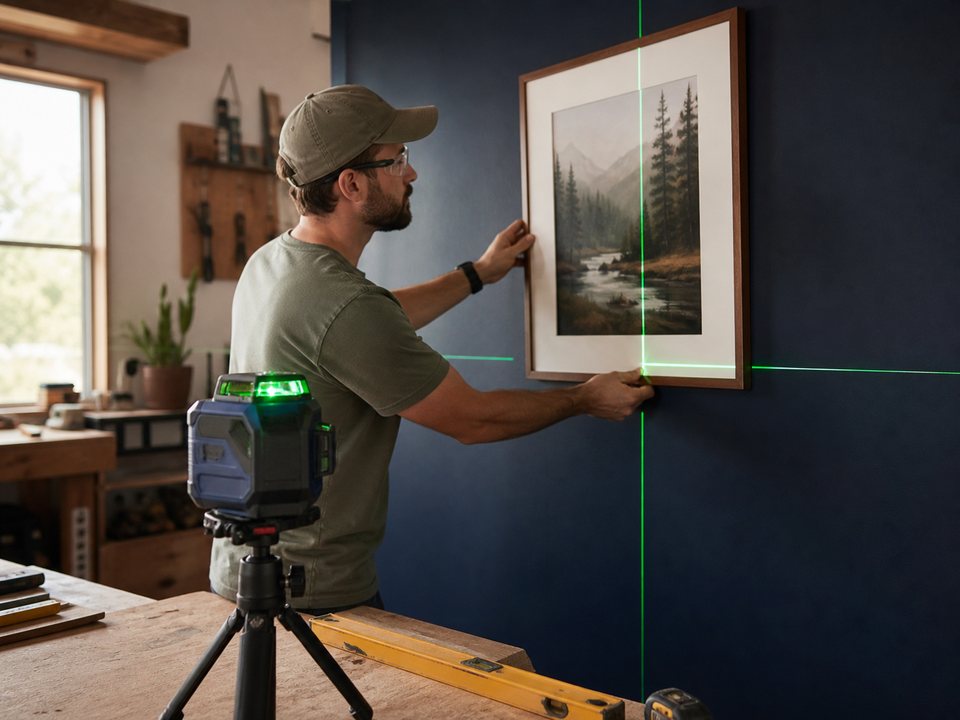 Bosch GLL30 Laser LevelBest laser level
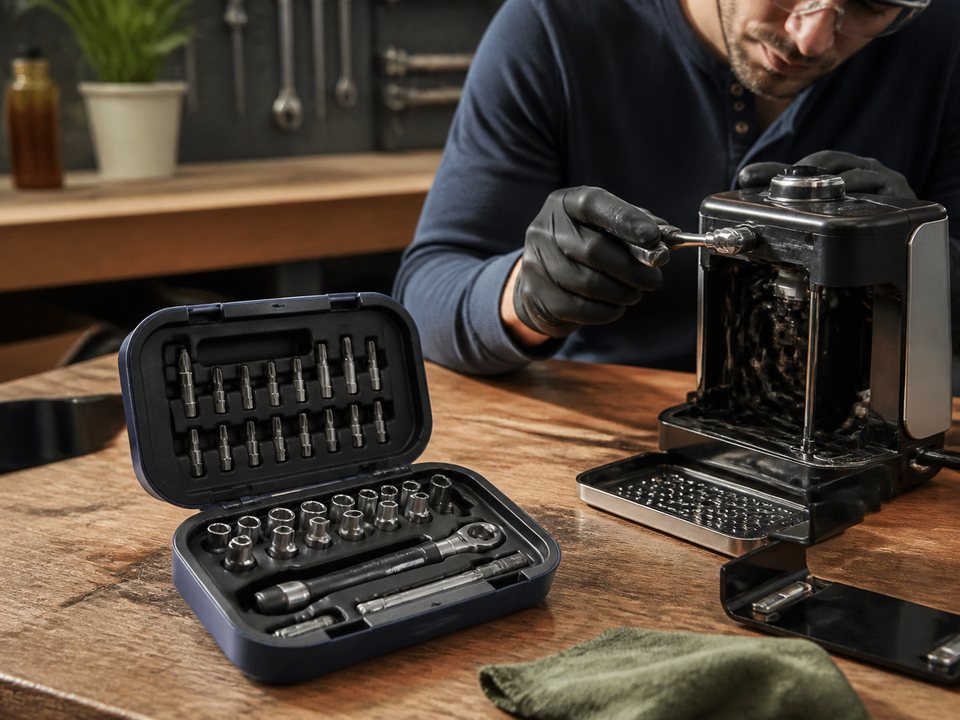 Wera Tool-Check PlusBest compact toolkit
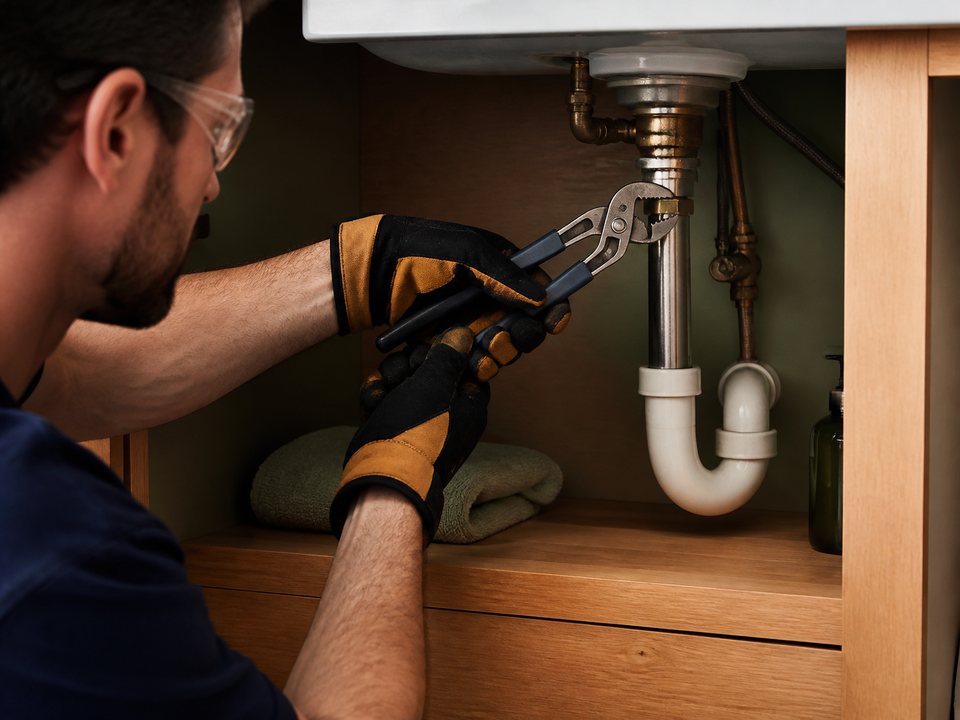 Knipex Cobra 10-Inch PliersBest adjustable pliers
 Fluke 117 Digital MultimeterBest multimeter
These links are starting points, not substitutes for checking the current model. See the complete Tools & DIY research hub for all ten shortlisted products and every related guide.
Source and safety boundary
Consult CPSC Power Tool Safety Checklist ↗ when the purchase touches safety, health, travel rules or regulated use. Follow the current manufacturer instructions. This article provides general buying information and does not replace professional advice.
Originally published August 2026; substantially rewritten August 25, 2026. Research follows our review methodology. No hands-on testing is claimed.