Short answer
Start with the use case, then compare speed, deck size, noise. The strongest choice is not the model with the longest feature list; it is the one that completes the core job reliably, fits the space and has an ownership routine you can sustain.
This page is designed around the long-tail query “walking pad buying for home offices.” It helps narrow the decision without pretending that one option is best for every shopper.
Start by writing down the specific job, who will use the product, where it will live and how often it will be used. In fitness & wellness, the recurring checks are fit, progression, storage, noise and safe repeatable use. That context prevents buying intensity or features before defining a routine that can be repeated consistently.
How to evaluate speed
Define what “good speed” means in the setting that matters. Compare the same evidence for every option: published specifications, instructions, support terms and repeated owner-feedback patterns. Avoid scoring a feature that will not change the routine.
Verify speed on the exact U.S. model and bundle. Similar product names can hide different generations, sizes or included parts. Record the requirement before shopping so a retailer badge does not become the decision.
Write one sentence describing the minimum acceptable speed. If a listing does not document it clearly, treat that uncertainty as a tradeoff rather than filling the gap with an assumption.
How to evaluate deck size
Measure the real space or load before comparing models. Published capacity can describe a container rather than the usable area, so check internal dimensions, clearances and the amount you expect to handle in one session.
A useful sizing check includes storage and handling. Mark the footprint with painter’s tape or compare it with the object it must hold; then leave room for doors, baskets, hoses or lids to move.
Write one sentence describing the minimum acceptable deck size. If a listing does not document it clearly, treat that uncertainty as a tradeoff rather than filling the gap with an assumption.
How to evaluate noise
Sound specifications rarely describe the whole experience. Consider tone, sudden changes, control range and the distance from the listener. For sleep or shared spaces, a useful low setting matters as much as maximum output.
Compare noise at the operating mode you expect to use, not only an advertised minimum. Fan speed, surface vibration, room acoustics and microphone placement can change perceived performance.
Write one sentence describing the minimum acceptable noise. If a listing does not document it clearly, treat that uncertainty as a tradeoff rather than filling the gap with an assumption.
How to evaluate storage
Use the ready-to-use weight and packed dimensions, including battery, case, cable or accessories. A portable product should be easy to lift, store and deploy in the location where it will actually be used.
Map the route from storage to use. Stairs, trunk openings, cabinet height and shared rooms can make a modest difference in dimensions more important than a small performance advantage.
Write one sentence describing the minimum acceptable storage. If a listing does not document it clearly, treat that uncertainty as a tradeoff rather than filling the gap with an assumption.
How to evaluate work rhythm
Define what “good work rhythm” means in the setting that matters. Compare the same evidence for every option: published specifications, instructions, support terms and repeated owner-feedback patterns. Avoid scoring a feature that will not change the routine.
Verify work rhythm on the exact U.S. model and bundle. Similar product names can hide different generations, sizes or included parts. Record the requirement before shopping so a retailer badge does not become the decision.
Write one sentence describing the minimum acceptable work rhythm. If a listing does not document it clearly, treat that uncertainty as a tradeoff rather than filling the gap with an assumption.
Apply the criteria to this exact search
For “walking pad buying for home offices,” turn speed into a concrete check before opening retailer tabs. Picture the most common real session for people building sustainable home movement and recovery routines: record what must happen, the space or time available, and the result that would make the feature useful. Then compare documentation for that exact requirement. This keeps speed tied to the job instead of letting a larger number or feature badge stand in for suitability.
For “walking pad buying for home offices,” turn deck size into a concrete check before opening retailer tabs. Picture the most demanding real session for people building sustainable home movement and recovery routines: record what must happen, the space or time available, and the result that would make the feature useful. Then compare documentation for that exact requirement. This keeps deck size tied to the job instead of letting a larger number or feature badge stand in for suitability.
For “walking pad buying for home offices,” turn noise into a concrete check before opening retailer tabs. Picture the most common real session for people building sustainable home movement and recovery routines: record what must happen, the space or time available, and the result that would make the feature useful. Then compare documentation for that exact requirement. This keeps noise tied to the job instead of letting a larger number or feature badge stand in for suitability.
For “walking pad buying for home offices,” turn storage into a concrete check before opening retailer tabs. Picture the most demanding real session for people building sustainable home movement and recovery routines: record what must happen, the space or time available, and the result that would make the feature useful. Then compare documentation for that exact requirement. This keeps storage tied to the job instead of letting a larger number or feature badge stand in for suitability.
For “walking pad buying for home offices,” turn work rhythm into a concrete check before opening retailer tabs. Picture the most common real session for people building sustainable home movement and recovery routines: record what must happen, the space or time available, and the result that would make the feature useful. Then compare documentation for that exact requirement. This keeps work rhythm tied to the job instead of letting a larger number or feature badge stand in for suitability.
A practical comparison worksheet
Use the same criteria for each finalist. Copy model numbers exactly and separate included features from optional accessories or paid services.
| Criterion | Evidence to collect | Decision note |
|---|---|---|
| speed | Verify the requirement on the exact current model | Note the tradeoff that affects your routine |
| deck size | Verify the requirement on the exact current model | Note the tradeoff that affects your routine |
| noise | Verify the requirement on the exact current model | Note the tradeoff that affects your routine |
| storage | Verify the requirement on the exact current model | Note the tradeoff that affects your routine |
| work rhythm | Verify the requirement on the exact current model | Note the tradeoff that affects your routine |
Three mistakes that distort the decision
- Comparing different variants. Retailer pages may combine generations, sizes or bundles. Match the model number to the manual and warranty.
- Reading only average ratings. Look for repeated recent feedback about the exact criteria above, including critical reviews and owner responses after longer use.
- Ignoring ownership work. Cleaning, charging, storage, subscriptions and consumables determine whether a capable product stays useful.
Product research connected to this guide
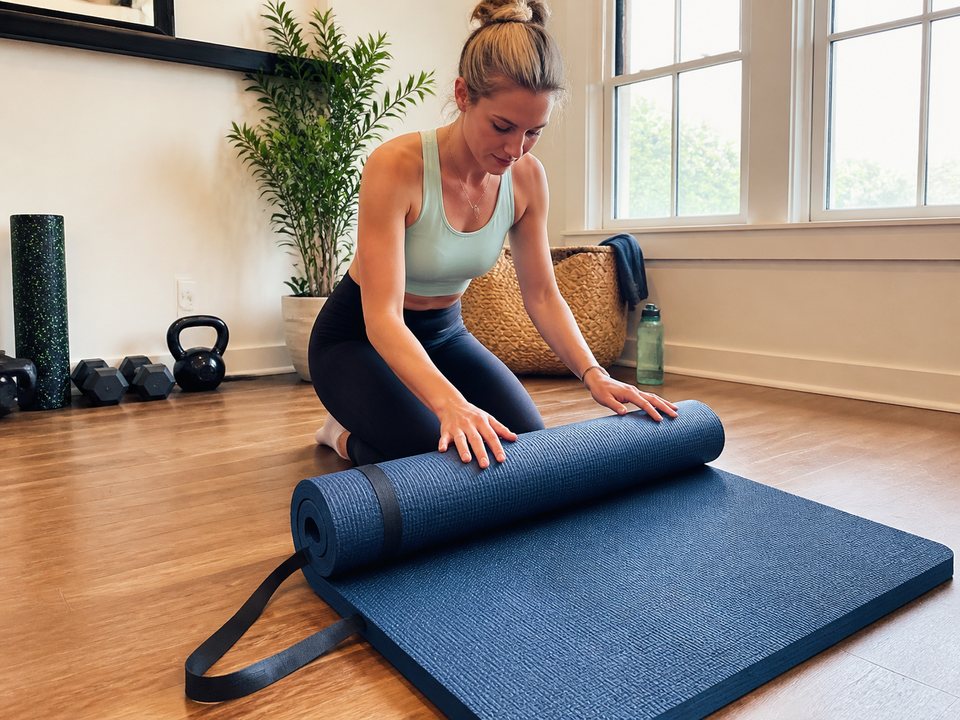 Amazon Basics Yoga MatBest budget mat
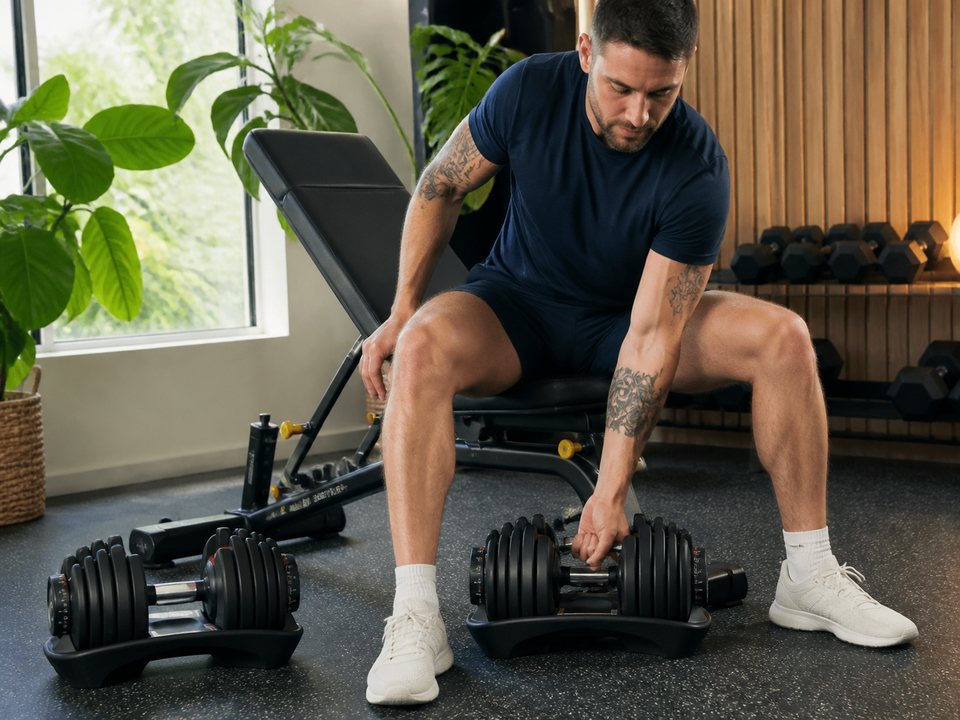 Bowflex SelectTech 552Best adjustable weights
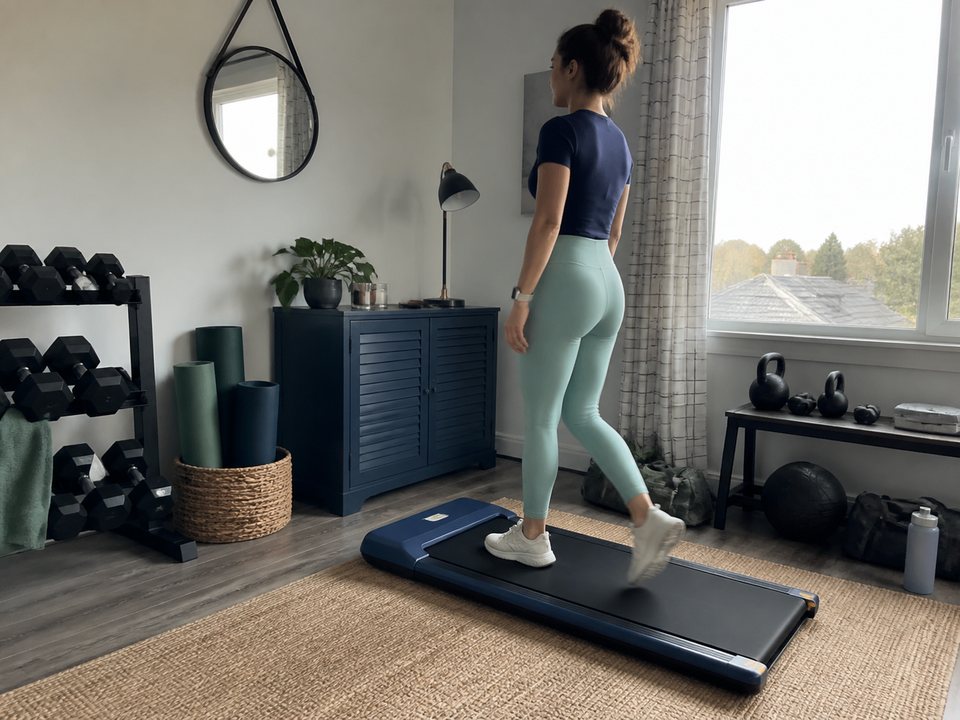 UREVO Walking PadBest walking pad
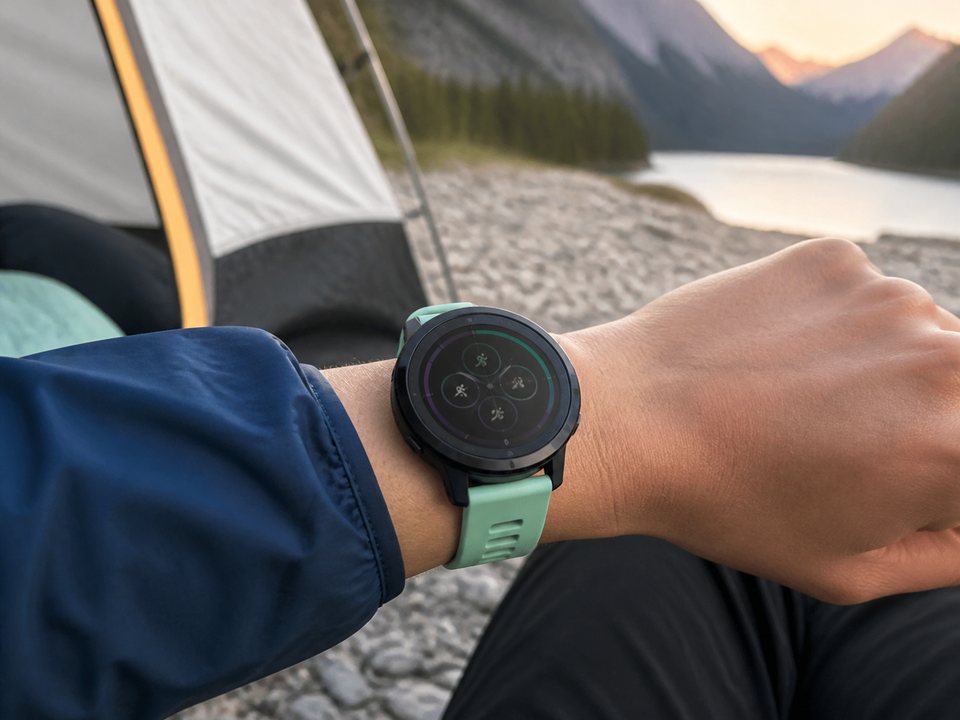 Garmin Forerunner 265Best running watch
These links are starting points, not substitutes for checking the current model. See the complete Fitness & Wellness research hub for all ten shortlisted products and every related guide.
Source and safety boundary
Consult HHS Physical Activity Guidelines ↗ when the purchase touches safety, health, travel rules or regulated use. Follow the current manufacturer instructions. This article provides general buying information and does not replace professional advice.
Originally published August 2026; substantially rewritten August 25, 2026. Research follows our review methodology. No hands-on testing is claimed.